Europe · Western Europe
🇫🇷 France travel guide
Boulevards, vineyards & lavender fields.
- Currency
- € EUR
- Time
- UTC +1
- Emergency
- 112
Best places in France
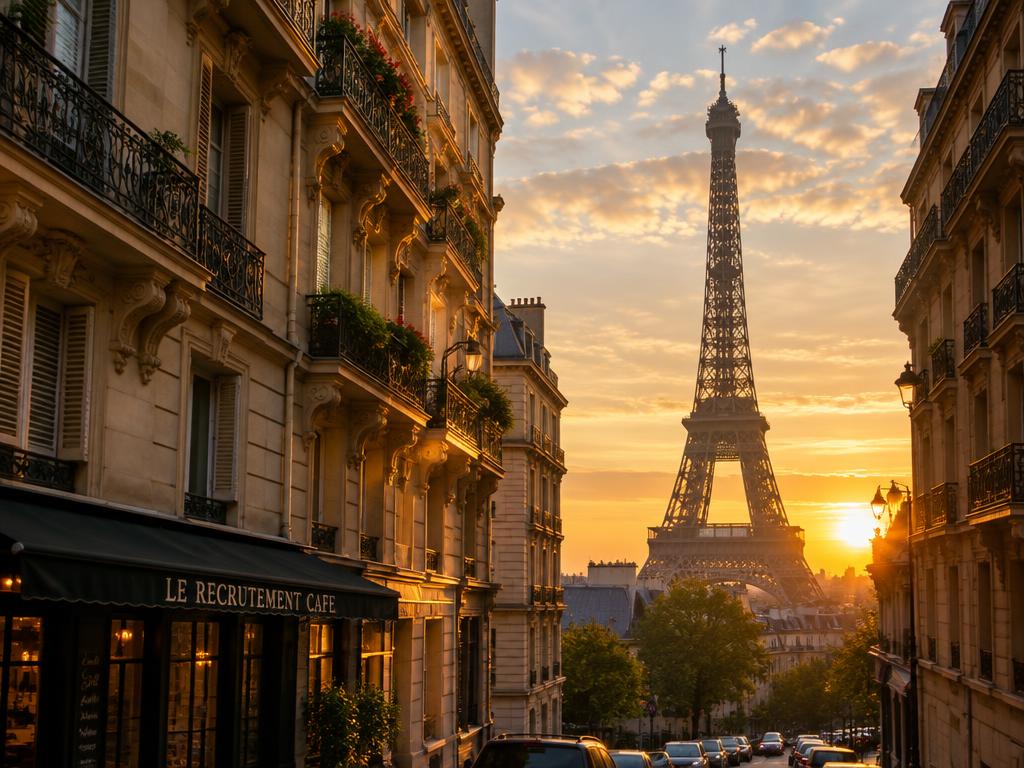
- Paris. Louvre, Montmartre and the Seine at dusk.
- Mont-Saint-Michel. An abbey island surrounded by tides.
- Loire Valley châteaux. Chambord and Chenonceau by bike.
- French Riviera. Nice, Èze and Monaco along the coast.
Hidden places
- Étretat cliffs. White chalk arches on the Normandy coast.
- Rocamadour. A cliff-hanging pilgrimage village.
- Gorges du Verdon. Turquoise canyon for kayaking.
- Corsica. Mountain hikes and wild beaches.
When to go
- Best time. April–June and September–October.
- Avoid. August holiday crowds on the coasts.
- Festivals. Bastille Day (14 July), Fête de la Musique (21 June), Christmas markets in Alsace.
What you need
- Documents. Passport, Schengen visa if required, EES/ETIAS checks.
- Pack. Smart-casual clothes, comfortable shoes, light jacket.
- Apps. SNCF Connect, RATP, Citymapper, BlaBlaCar.
- Booking. Reserve the Eiffel Tower and Louvre ahead.
The soul of France
- Start somewhere unforgettable. Paris, the Loire châteaux, Provence, the Alps and the Riviera.
- Choose your season. Spring and early autumn are ideal. Lavender peaks late June–July.
- Before you leave. TGV trains reach most regions from Paris in a few hours.
Visual money
- Currency · EUR €. Service is included in restaurant prices.
- A daily budget. Illustrative, per person: budget €80–120; comfortable €180–350. Paris costs more.
- Paying locally. Contactless cards work almost everywhere; keep a little cash for small cafés, markets and rural stops. Choose to pay in euros, not your home currency.
Arrival playbook
- Documents first. Part of the Schengen Area. Check visa rules for your passport, the EU Entry/Exit System and ETIAS requirements on official EU sites before booking.
- Your first ride. RER B links CDG to central Paris; official taxis charge fixed fares into the city.
- Get connected. An EU SIM or eSIM works across most EU countries under roaming rules. Save an offline map before leaving Wi-Fi.
Street codes
- Greet first. Always say “Bonjour” when entering a shop before asking anything.
- Volume. Keep voices low in restaurants and on the metro.
- Dining hours. Lunch is roughly 12–2pm; many kitchens close between services.
Beyond the postcard
- Colmar & Alsace. Half-timbered villages along the wine route.
- Dordogne. Riverside castles, caves and markets.
- Annecy. A clear Alpine lake with canals in its old town.
Food dossier
- A few first plates. Croissants, steak-frites, a cheese course, crêpes in Brittany.
- Formule menus. Set lunch menus are the best value.
- Dietary needs. Vegetarian options are growing; tap water (“une carafe d’eau”) is free.
Scam shield
- Petitions. Clipboard “petitions” near sights often distract for pickpockets.
- Gold ring trick. Someone “finds” a ring and asks for money — walk on.
- Unofficial taxis. Use official ranks or apps only.
Language cheat sheet
- Hello · Bonjour. Thank you · Merci. Please · S’il vous plaît. Excuse me · Pardon.
- How much? · C’est combien?. Water · De l’eau. Help · Au secours!
- Evening greeting · Bonsoir. Used from late afternoon onwards.
Survival essentials
- Emergency · 112. Also SAMU (medical) 15, police 17, fire 18.
- Strikes. Transport strikes happen; check SNCF and RATP updates.
- Power & time. 230V; sockets types C and E. UTC+1 (summer +2).
Your France chapter
- A gentle first journey. Paris → Loire Valley → Provence over 10 days.
- A different pace. Walk a section of the GR trails or cycle the Loire à Vélo.
- Before confirming. This is a starter guide, not live advice. Verify visas, prices, opening times and safety conditions with official sources.