Asia · South Asia
🇮🇳 India travel guide
Royal cities, mountain trails & a thousand flavours.
- Currency
- ₹ INR
- Time
- UTC +5:30
- Emergency
- 112
Best places in India
- Taj Mahal, Agra. Arrive at sunrise for soft light and smaller crowds; closed on Fridays.
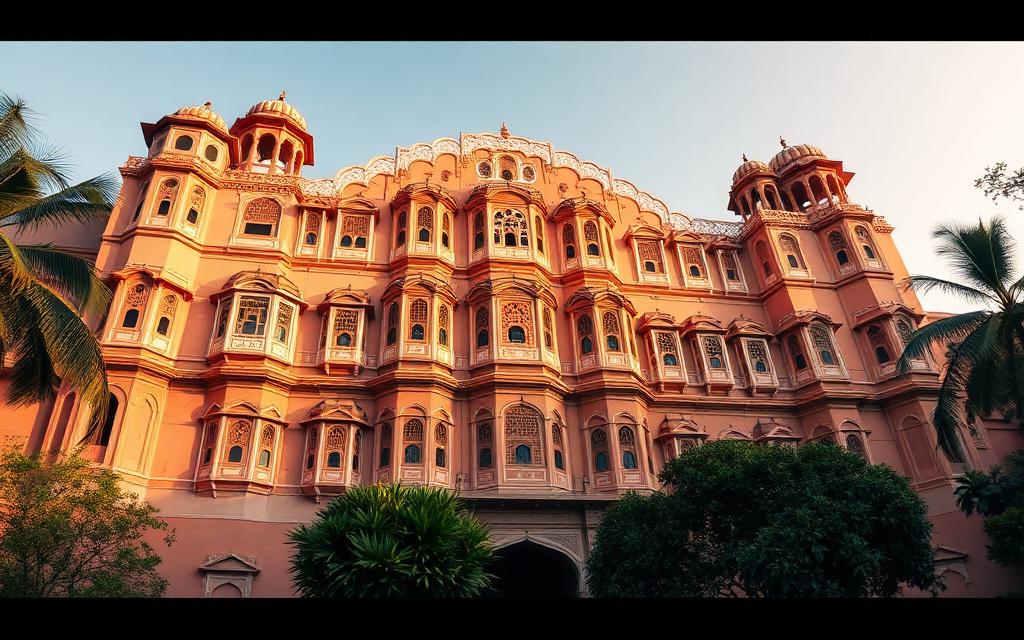
- Jaipur & Amber Fort. Palaces, bazaars and the City Palace in the Pink City.
- Kerala backwaters. A night on a houseboat around Alleppey.
- Varanasi ghats. Evening Ganga aarti and a dawn boat ride.
Hidden places
- Hampi, Karnataka. Boulder landscapes and ruined temples of the Vijayanagara empire.
- Ziro Valley, Arunachal. Rice fields and Apatani villages (permit needed).
- Chettinad, Tamil Nadu. Grand mansions and a famous spicy cuisine.
- Spiti Valley, Himachal. High desert monasteries — roads open roughly June–October.
When to go
- Best time. October–March for most of India; April–June for Himalayan hill stations.
- Avoid. Peak summer heat (May–June) on the plains; heavy monsoon in mountain areas.
- Festivals. Diwali (Oct/Nov), Holi (March), Pushkar Camel Fair (Nov).
What you need
- Documents. Passport, visa or e-visa, hotel bookings, travel insurance.
- Pack. Light cotton, a scarf for temples, slip-on shoes, power bank.
- Apps. IRCTC (trains), Uber/Ola, Google Maps offline, Zomato.
- Health. Routine vaccines; ask about hepatitis A and typhoid. Carry ORS sachets.
The soul of India
- Start somewhere unforgettable. Jaipur for forts and craft; Kerala for backwaters; Rishikesh for riverside walks; Ladakh for high-altitude landscapes.
- Choose your season. October–March suits much of the plains. Himalayan seasons differ; check local road conditions. Monsoon can disrupt mountain travel.
- Before you leave. India spans many climates, languages and customs. Build your journey around a region rather than rushing across the country.
Visual money
- Currency · INR ₹. Indian rupees. Keep small notes for markets and rural stops; use bank ATMs and decline unsolicited currency exchange.
- A daily budget. Illustrative, per person: budget ₹1,500–3,000; comfortable ₹4,000–8,000. Stays, season and city change costs. Flights and major activities are extra.
- Paying locally. UPI is widespread, but foreign visitors may need an eligible visitor wallet. Carry a card and some cash; never share an OTP or payment PIN.
Arrival playbook
- Documents first. Visa eligibility depends on your passport. Confirm requirements and entry rules on indianvisaonline.gov.in before booking.
- Your first ride. Use an official prepaid taxi desk or a recognised ride service. Confirm the vehicle plate and fare before leaving.
- Get connected. Buy a SIM from an authorised seller with the required identity documents. Save your stay address and an offline map before leaving Wi-Fi.
Street codes
- At sacred places. Dress respectfully, remove shoes where requested and follow photography rules. Some sites have entry restrictions.
- People & photographs. Ask before photographing people. A friendly “Namaste” works in many places; regional greetings are welcome too.
- Moving around. Traffic can be unpredictable. Use safe crossings and helmets; do not assume vehicles will stop at a crossing.
Beyond the postcard
- Jaipur · craft lanes. Explore block-printing and artisan workshops around Sanganer. Ask before entering or taking photographs.
- Kerala · village waterways. Look for locally run canoe trips away from the busiest houseboat routes. Confirm life jackets and weather conditions.
- Himalayas · tread lightly. Choose marked trails with local guides. Respect permits, altitude and changing weather; leave no litter behind.
Food dossier
- A few first plates. Try dosa and idli in the south, a Rajasthani thali in Jaipur, and regional rice or bread dishes wherever you stop.
- Eat with care. Choose busy places serving freshly cooked hot food. Use sealed or reliably filtered water; avoid uncertain ice.
- Dietary needs. Ask about dairy, nuts and cooking oil. “Vegetarian” does not necessarily mean vegan; explain allergies clearly.
Scam shield
- “Your hotel is closed”. Call the property using your confirmed booking number, not a number supplied by a stranger.
- Tickets & guides. Buy through official counters or verified services. Agree guide fees and inclusions before starting.
- Money requests. Never scan a QR code or enter a payment PIN to receive a refund. Avoid strangers offering to operate your phone or ATM.
Language cheat sheet
- Hello · Namaste. Thank you · Dhanyavaad. Please · Kripya. English is also used in many travel settings; Hindi is not universal.
- How much? · Kitne ka hai?. Water · Paani. Help · Madad. I need help · Mujhe madad chahiye.
- Where is …? · … kahaan hai?. Save the written address of your accommodation in the local language when possible.
Survival essentials
- Emergency · 112. India’s integrated emergency number. Save your accommodation, insurer and embassy contacts separately.
- Health & altitude. Carry prescribed medicines, sun protection and safe drinking water. Ascend gradually; seek help for altitude symptoms.
- Power & time. India uses 230V / 50Hz; sockets commonly accept types C, D or M. Time zone: IST, UTC+5:30. Bring a suitable adapter.
Your India chapter
- A gentle first journey. Delhi → Agra → Jaipur is a classic introduction. Allow travel time and rest rather than filling every hour.
- A different pace. Choose Kerala for a slower coastal journey or one Himalayan base for mountain days. Check access and weather first.
- Before confirming. This is a starter guide, not live advice. Verify visas, prices, opening times and safety conditions with official sources.