Europe · Southern Europe
🇮🇹 Italy travel guide
Ancient ruins, coastal villages & long lunches.
- Currency
- € EUR
- Time
- UTC +1
- Emergency
- 112
Best places in Italy
- Colosseum & Roman Forum. Book timed tickets online.
- Florence & the Uffizi. Renaissance art and the Duomo dome climb.
- Venice. Canals, St Mark’s and the islands of Murano and Burano.
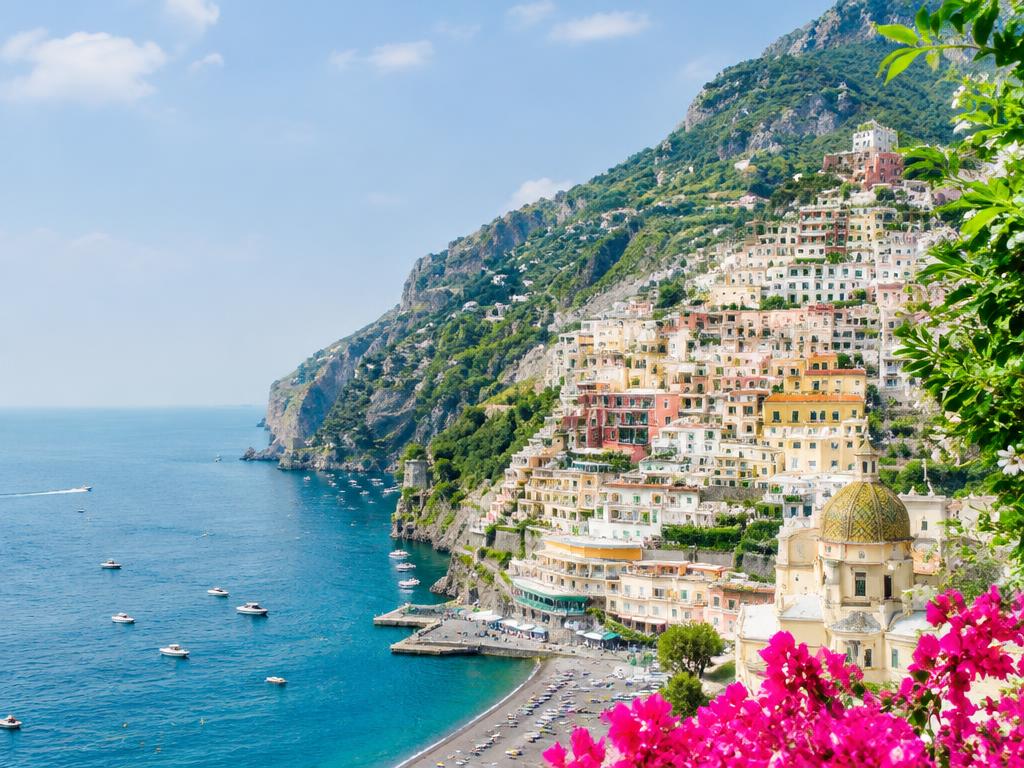
- Amalfi Coast. Positano, Ravello and the Path of the Gods.
Hidden places
- Civita di Bagnoregio. A hilltop village reached by footbridge.
- Procida. Colourful island without the Capri crowds.
- Val d’Orcia. Cypress roads and thermal pools in Tuscany.
- Alberobello. Cone-roofed trulli houses in Puglia.
When to go
- Best time. April–June and September–October.
- Avoid. August heat and closures; Venice day-tripper fees on peak days.
- Festivals. Venice Carnival (Feb), Palio di Siena (July & Aug).
What you need
- Documents. Passport, Schengen visa if required, EES/ETIAS checks.
- Pack. Shoulder cover for churches, comfortable walking shoes.
- Apps. Trenitalia, Italo, Moovit, TheFork.
- Booking. Reserve the Last Supper, Vatican and Uffizi in advance.
The soul of Italy
- Start somewhere unforgettable. Rome for history, Florence for art, Venice for canals, the Amalfi Coast and Puglia for the sea, the Dolomites for peaks.
- Choose your season. April–June and September–October are pleasant. August is hot and many locals holiday.
- Before you leave. Pick two or three regions; trains link major cities quickly.
Visual money
- Currency · EUR €. An espresso at the bar is cheap; sitting at a table costs more.
- A daily budget. Illustrative, per person: budget €70–110; comfortable €160–300. Coasts and Venice cost more.
- Coperto & tips. A cover charge (coperto) is normal. Tipping is optional; rounding up is appreciated.
Arrival playbook
- Documents first. Part of the Schengen Area. Check visa rules for your passport, the EU Entry/Exit System and ETIAS requirements on official EU sites before booking.
- Your first ride. Airport trains such as Leonardo Express (Rome) or Malpensa Express (Milan) are simplest. Validate regional train tickets before boarding.
- Get connected. An EU SIM or eSIM works across most EU countries under roaming rules. Save an offline map before leaving Wi-Fi.
Street codes
- Churches. Cover shoulders and knees; St Peter’s and many churches enforce this.
- Coffee rules. Cappuccino is a morning drink for many Italians; nobody will stop you, though.
- Fountains & steps. Sitting or eating on some monuments, like the Spanish Steps, can bring fines.
Beyond the postcard
- Matera. Ancient cave dwellings carved into a ravine in Basilicata.
- Le Marche. Rolling hills and hilltop towns without Tuscany’s crowds.
- Lake Orta. A small, calm alternative to Lake Como.
Food dossier
- A few first plates. Cacio e pepe in Rome, bistecca in Florence, pizza in Naples, cicchetti in Venice.
- Gelato check. Look for muted colours and covered tubs — signs of real gelato.
- Dietary needs. Gluten-free (“senza glutine”) options are common; say “sono allergico a…” for allergies.
Scam shield
- Friendship bracelets. Don’t let anyone tie anything on your wrist; they will demand money.
- Pickpockets. Watch bags on metro lines, buses and crowded sights.
- Restaurant menus. Avoid places with touts and no prices; check the bill.
Language cheat sheet
- Hello · Buongiorno / Ciao. Thank you · Grazie. Please · Per favore.
- How much? · Quanto costa?. Water · Acqua (naturale / frizzante). Help · Aiuto!
- The bill · Il conto, per favore. It won’t come until you ask; lingering is normal.
Survival essentials
- Emergency · 112. EU-wide emergency number for police, fire and ambulance.
- ZTL zones. Driving into historic-centre limited traffic zones brings automatic fines.
- Power & time. 230V; sockets types C, F and L. Time zone CET, UTC+1 (summer +2).
Your Italy chapter
- A gentle first journey. Rome → Florence → Venice by fast train over 8–10 days.
- A different pace. One week in Puglia or Sicily with a car and countryside stays.
- Before confirming. This is a starter guide, not live advice. Verify visas, prices, opening times and safety conditions with official sources.