Europe · Central Europe
🇨🇭 Switzerland travel guide
Glacier lakes, mountain railways & chocolate.
- Currency
- CHF
- Time
- UTC +1
- Emergency
- 112
Best places in Switzerland
- Jungfraujoch. The “Top of Europe” railway and glacier views.
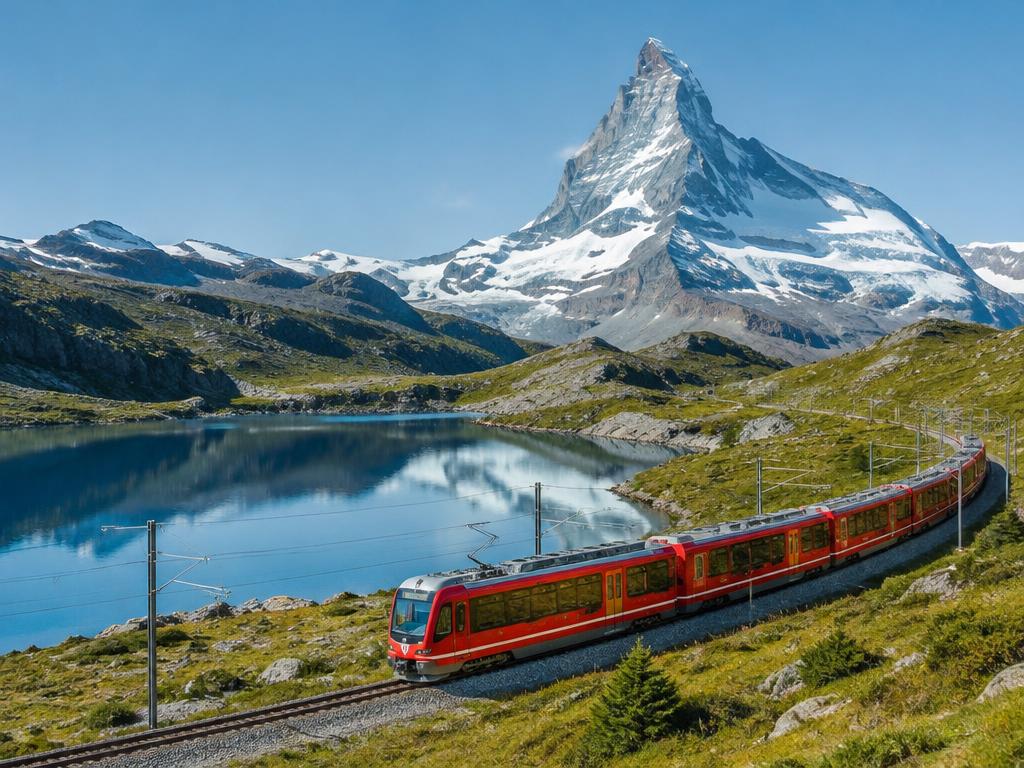
- Zermatt & Matterhorn. Car-free village and Gornergrat railway.
- Lucerne. Chapel Bridge, Mount Pilatus and Rigi.
- Glacier Express. Scenic train from Zermatt to St Moritz.
Hidden places
- Lauterbrunnen & Mürren. 72 waterfalls and a car-free cliff village.
- Oeschinensee. A turquoise lake above Kandersteg.
- Gruyères. Medieval town, castle and cheese.
- Engadin valley. Painted villages and alpine lakes.
When to go
- Best time. June–September for hiking; December–March for skiing.
- Avoid. Shoulder seasons (April/November) when lifts and huts close.
- Festivals. Swiss National Day (1 Aug), Basel Fasnacht (Feb/March).
What you need
- Documents. Passport, Schengen visa if required.
- Pack. Layers, rain jacket, hiking shoes, sunglasses.
- Apps. SBB Mobile, MeteoSwiss, SwitzerlandMobility (trails).
- Pass. Compare Swiss Travel Pass vs Half Fare Card.
The soul of Switzerland
- Start somewhere unforgettable. Lucerne, Interlaken and the Jungfrau, Zermatt, Lausanne and Lake Geneva.
- Choose your season. June–September for hiking; December–March for snow. Some high routes close in shoulder seasons.
- Before you leave. Mountain weather changes fast; plan flexible summit days.
Visual money
- Currency · CHF. Swiss francs. Euros are sometimes accepted but change is in francs at a poor rate.
- A daily budget. Illustrative, per person: budget CHF 130–200; comfortable CHF 280–500.
- Saving tips. Supermarkets like Coop and Migros have good ready meals; a Swiss Travel Pass may cut transport costs.
Arrival playbook
- Documents first. Part of the Schengen Area. Check visa rules for your passport, the EU Entry/Exit System and ETIAS requirements on official EU sites before booking.
- Your first ride. Zurich and Geneva airports have train stations under the terminal.
- Get connected. Switzerland is not in the EU; check roaming before using an EU SIM.
Street codes
- Be on time. Trains leave to the second; so do tours.
- Quiet hours. Noise rules often apply at night and on Sundays.
- Recycling. Separate waste carefully; rules are strict.
Beyond the postcard
- Appenzell. Painted houses and gentle hills in the north-east.
- Val Verzasca. Clear green river and stone villages in Ticino.
- Lavaux. Terraced vineyards above Lake Geneva.
Food dossier
- A few first plates. Fondue, raclette, rösti and Zürcher Geschnetzeltes.
- Water. Tap and many fountain waters are drinkable unless marked otherwise.
- Dietary needs. Vegetarian options are good in cities; Hiltl in Zurich is a vegetarian institution.
Scam shield
- Ticket fines. Riding without a valid ticket brings an on-the-spot fine.
- Motorway vignette. Drivers need a vignette for motorways.
- Weather. Check the summit webcam before paying for cable cars.
Language cheat sheet
- Hello · Grüezi (German areas). Bonjour in the west, Buongiorno in Ticino. Thank you · Merci / Danke.
- How much? · Wie viel kostet das?. Water · Wasser. Help · Hilfe!
- English. Widely spoken in tourist areas.
Survival essentials
- Emergency · 112. Police 117, ambulance 144, mountain rescue (Rega) 1414.
- Mountains. Stay on marked trails and check avalanche bulletins in winter.
- Power & time. 230V; sockets type J (type C plugs fit). UTC+1 (summer +2).
Your Switzerland chapter
- A gentle first journey. Zurich → Lucerne → Interlaken → Zermatt by train over 8 days.
- A different pace. Hut-to-hut hiking in summer with mountain lodges.
- Before confirming. This is a starter guide, not live advice. Verify visas, prices, opening times and safety conditions with official sources.